
The Hidden Causes of Interconnection Delays (Beyond Modeling Errors)
As the clean energy industry accelerates, interconnection delays have quietly become one of its most stubborn barriers. While modeling mistakes often draw attention, they are only the visible tip of a deeper, more complex problem. Beneath the surface lie structural, administrative, and institutional challenges that slow project development, raise costs, and weaken the clean energy pipeline. Understanding these hidden causes is essential for meaningful reform.
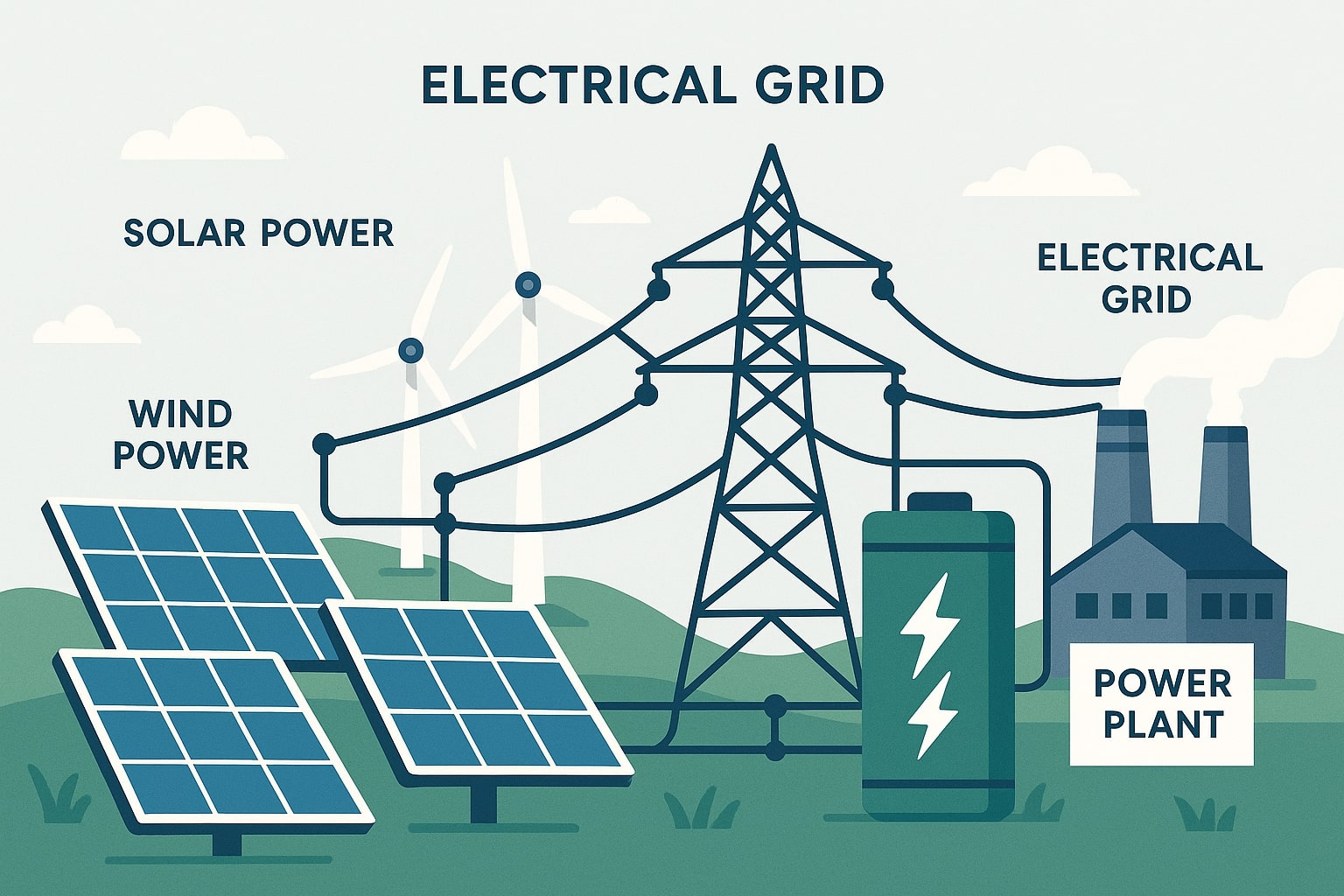
1. The Scale of the Problem
Interconnection queues across the U.S. now hold thousands of gigawatts of proposed generation — far more than the nation’s existing installed capacity. Timelines that once averaged three years have stretched to five or more, and an increasing number of projects withdraw before completion due to rising uncertainty and escalating costs. These delays aren’t minor operational issues; they are systemic bottlenecks with far-reaching impacts.
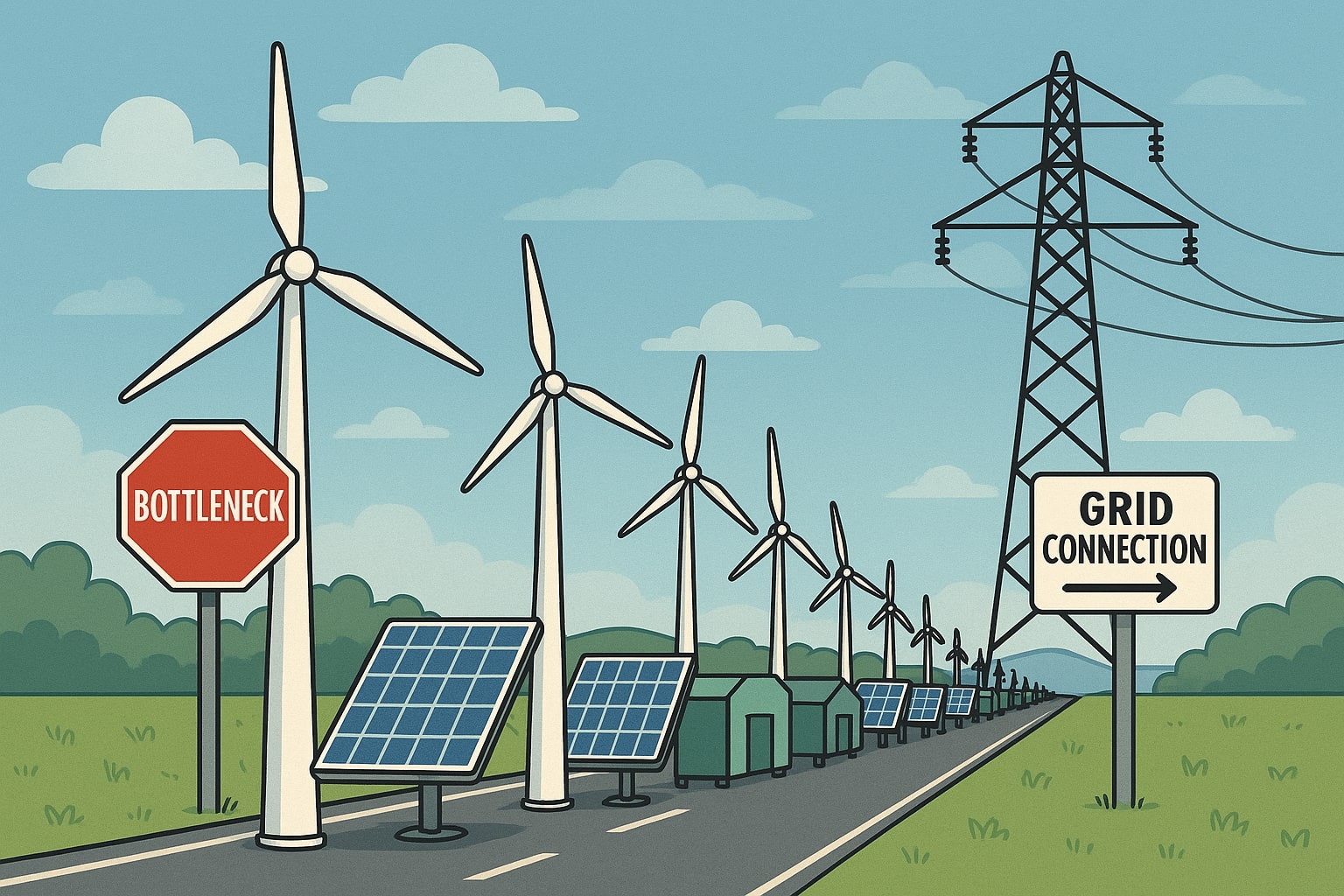
2. Hidden Causes of Delay Beyond Modeling Errors
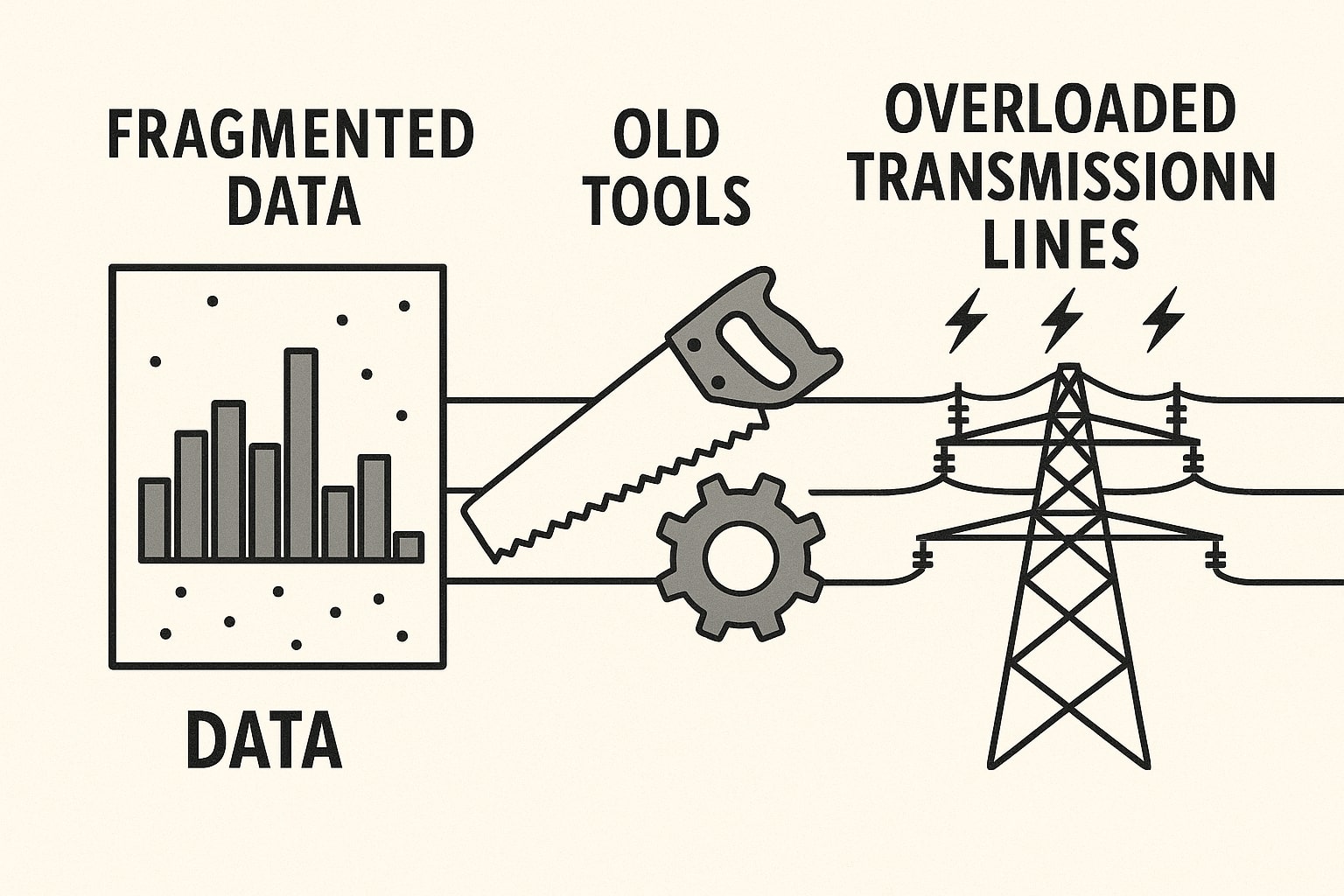
2.1 Fragmented and Opaque Data
Critical grid data is scattered across utilities, regional operators, and regulators. Developers often struggle to access accurate and timely information about congestion, load forecasts, or upgrade risks. This opacity makes siting and planning far more uncertain than it needs to be.
2.2 Legacy Tools and Manual Processes
Many interconnection studies still rely on decades-old software and heavily manual workflows. With applications skyrocketing, these outdated processes simply cannot scale. As a result, even minor application inconsistencies lead to restudies and cascading delays.
2.3 Cost Uncertainty & Escalating Upgrade Fees
Transmission upgrade costs have surged dramatically in some regions by several hundred percent. For many developers, unpredictable and rapidly rising upgrade estimates make project economics unworkable. Withdrawals that follow trigger restudies for other projects, compounding the queue backlog.
2.4 Transmission Capacity Constraints
The grid was built around large, centralized fossil-fuel generation not today’s distributed, renewable-heavy landscape. Many interconnection requests target areas with limited transmission headroom, requiring lengthy and expensive upgrades. Without proactive, long-term transmission planning, these issues accumulate.
2.5 Workforce and Institutional Capacity
Utilities and grid operators simply don’t have enough trained planners, engineers, and analysts to handle the volume of new applications. Manual review, validation, and study processes further strain limited resources, creating administrative bottlenecks.
2.6 Reliability & Risk Management Concerns
Increasingly complex technologies hybrid plants, storage, grid-forming inverters introduce new reliability considerations. When circuits operate near their limits or when there is uncertainty around new technologies, utilities often adopt a cautious posture. Differences in risk tolerance between utilities and developers can lead to disputes and additional delays.
2.7 Regulatory Misalignment & Speculative Queue Behavior
Interconnection rules vary widely across regions. This inconsistency leads to unpredictable outcomes and encourages developers to hedge their bets with multiple speculative submissions. These filings crowd queues but often never materialize, creating churn that slows genuinely ready projects.
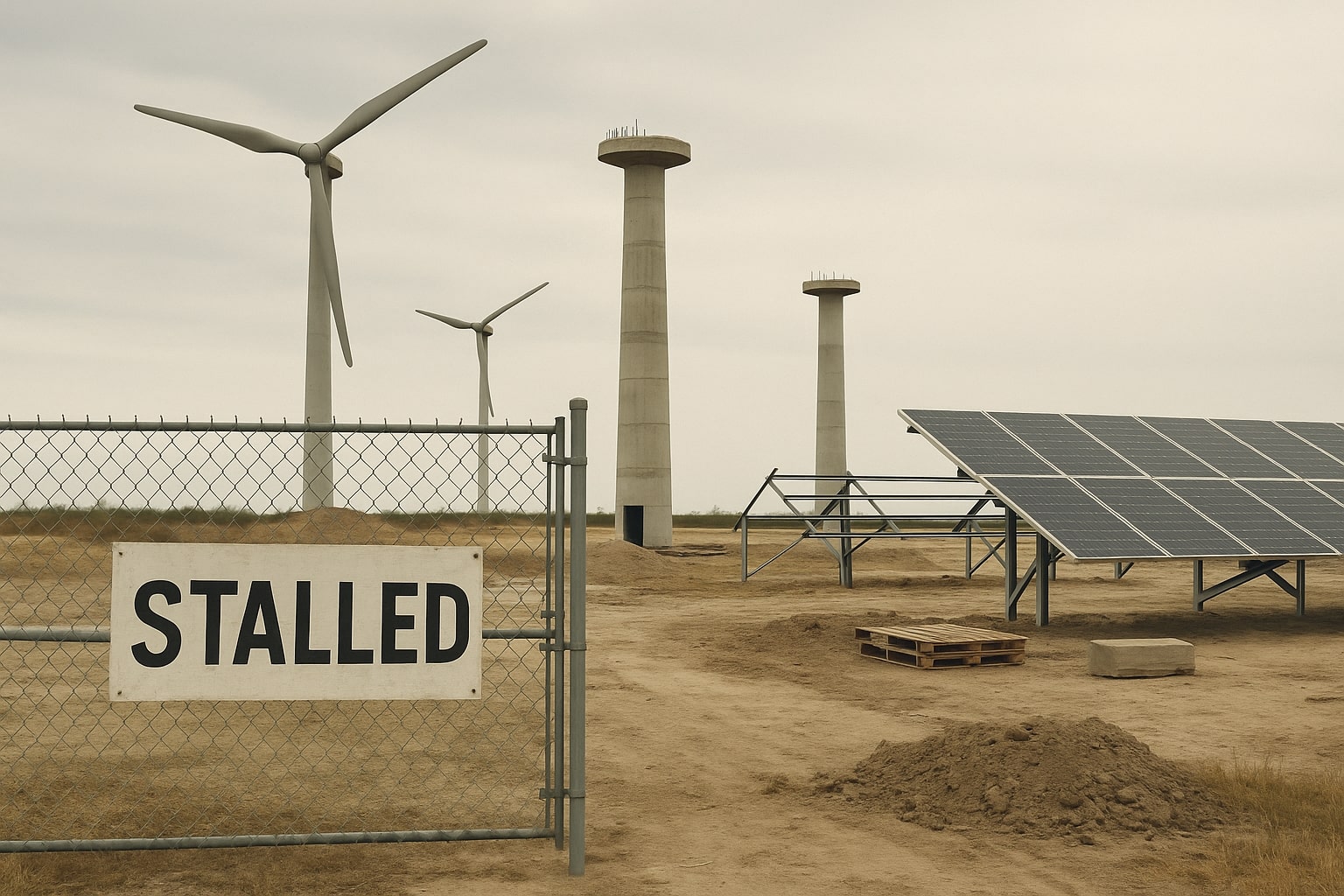
3. Impacts of These Hidden Delays
Rising project costs due to repeated studies and unexpected upgrade charges
Higher financial risk for developers and investors
Slower clean energy deployment, undermining climate and policy goals
Reduced grid reliability when upgrades lag behind development demand
These challenges ripple through the entire energy ecosystem, affecting utilities, communities, policymakers, and markets.
4. Potential Solutions & Reforms
Transparency & Data Tools
Centralized, accessible interconnection data improves planning, reduces speculation, and builds trust among stakeholders.
Modernizing Study Tools & Automation
Advanced modeling platforms, automated data validation, and AI-assisted workflows can dramatically reduce restudy frequency and study times.
Smart Transmission Planning
Long-term, regional transmission strategies rather than piecemeal fixes ensure capacity keeps pace with clean energy growth.
Regulatory Reform
Cluster studies, milestone-based queue priority, and standardized rules across regions can reduce uncertainty and deter speculative entries.
Workforce Development
Scaling grid modernization requires scaling talent: engineers, analysts, and planners equipped to manage the next decade of growth.
Risk-Flexible Interconnection Models
Options such as flexible interconnection agreements and grid-enhancing technologies can speed deployment while maintaining reliability.
Why This Matters
1.Developers gain clearer visibility into project risks and costs.
2.Utilities benefit from more efficient queue management and strengthened reliability.
3.Policymakers can design reforms that address root causes rather than symptoms.
4.Communities and investors see faster deployment of clean, affordable energy.
Conclusion and the PowerTek Connection
Interconnection delays are often attributed to modeling errors, but the real obstacles lie deeper: fragmented data, outdated tools, limited workforce capacity, escalating upgrade costs, and misaligned regulatory structures. These systemic issues threaten to slow the clean energy transition at the very moment it needs to accelerate.
This is where PowerTek plays a critical role.
By offering modernized interconnection analytics, automated study workflows, real-time data intelligence, and advanced grid-readiness modeling, PowerTek directly addresses the structural barriers holding projects back. Instead of working around outdated processes, PowerTek equips developers, utilities, and regulators with tools designed for the grid of the future — reducing uncertainty, accelerating queue progress, and helping more clean energy projects reach the finish line.
In a landscape where delays have become the norm, PowerTek provides a path forward: faster interconnections, smarter planning, and a more resilient clean energy ecosystem.
Author: Maryam Asmat
COO
PowerTek Global